39 reading fat on nutrition labels
Food Labels | CDC - Centers for Disease Control and Prevention Check the Serving size first. All the numbers on this label are for a 2/3-cup serving. This package has 8 servings. If you eat the whole thing, you are eating 8 times the amount of calories, carbs, fat, etc., shown on the label. Total Carbohydrate shows you types of carbs in the food, including sugar and fiber. 3 Ways to Read Nutrition Facts on Food Labels - wikiHow Keep your fat intake under 100% of the recommended value. 65% is a healthy number to shoot for, but you may want to consume a little more if you're low on energy or trying to build muscle mass. Saturated fat should account for less than 7% of your daily caloric intake. [18] Butter, oils, pastries, and red meat tends to be high in saturated fat.
PDF TO CARE 4 YOURSELF READING A NUTRITION FACTS LABEL - novoMEDLINK You can read the Nutrition Facts labels to compare calorie counts of similar foods to find the lowest-calorie option. Total fat This line tells you how much fat is in a serving of this food. It includes fats that are good for you, such as mono- and polyunsaturated fats.

Reading fat on nutrition labels
Reading and Understanding Food Labels and Nutrition Info | Beaumont Health A one-percent reduction of saturated fat in your diet reduces your heart disease risk by three percent. Keep saturated fat to less then 15 grams per day. It is not required to list unsaturated fats (polyunsaturated and monounsaturated) on food labels. In general, unsaturated fats lower cholesterol. The healthiest unsaturated fat is canola oil. How To Read Food and Beverage Labels - National Institute on Aging Most older adults exceed the recommended limits for saturated fats, sodium, and added sugars. Compare and choose foods to get less than 100% DV of these each day, making sure to adjust for how many calories are in your diet. Additionally, many older adults do not get the recommended amounts of dietary fiber, vitamin D, calcium, and potassium. How to Understand and Use the Nutrition Facts Label | FDA Nutrients to get less of: Saturated Fat, Sodium, and Added Sugars. Saturated fat, sodium, and added sugars are nutrients listed on the label that may be associated with adverse health effects - and...
Reading fat on nutrition labels. Interpreting Total Fat and Types of Fat on Food Labels - Nina Cherie ... Now, at the end of the day, since all high-fat foods tend to drive up calorie counts, it's typically recommended that you limit your intake of total fat to 25-35% of your daily calories. Of this amount, saturated fats and trans fats should comprise less than 7-10% and no more than 1%, respectively. Food labels - NHS Food labels. Nutrition labels can help you choose between products and keep a check on the amount of foods you're eating that are high in fat, salt and added sugars. Most pre-packed foods have a nutrition label on the back or side of the packaging. These labels include information on energy in kilojoules (kJ) and kilocalories (kcal), usually ... Reading Food Labels | ADA - American Diabetes Association Reading Food Labels | ADA Understanding Food Labels It's time to decode those food claims. Trying to figure out nutritional information on labels and packaging isn't easy. The good news is that we can help. Untangle packaging claims. If you get tripped up on food content claims, you're not alone. Fat free vs. low fat vs. reduced fat. How to Read a Nutrition Label? (Things to Consider Explained) Percent Daily Value: This lists the nutrients with the percentages that you can consume on a particular day. Consuming excessive quantities of even these helpful nutrients could be dangerous. Generally, the value of 5% is considered low; if it exceeds 20%, it is considered high. So, you can have an idea regarding what you should consume for a ...
Fat Content on Food Labels - Reading Between the Lines The Mayo Foundation continued, "Still, you may be able to tell if a product contains trans fat, even if it's not directly listed on the food label. Look for the words ' hydrogenated ' or 'partially hydrogenated' in the list of ingredients. These terms indicate that the product contains trans fat. How to read food labels: MedlinePlus Medical Encyclopedia Always check the serving size first. All the information on the label is based on the serving size. Many packages contain more than 1 serving. For example, the serving size for spaghetti is most often 2 ounces (56 grams) uncooked, or 1 cup (0.24 liters) cooked. If you eat 2 cups (0.48 liters) at a meal, you are eating 2 servings. Food Labels: Fat & Cholesterol | Home & Garden Information Center The Nutrition Facts label shows you how much fat is in a product, even if the fat is hidden as an ingredient. The serving size and the nutrients listed on this label are consistent, which makes it easy to compare similar products without any calculations. % Daily Values (% DVs) are listed in a column on the "Nutrition Facts" label. Learn How the Nutrition Facts Label Can Help You Improve Your Health Read the Nutrition Facts labels on your packaged food and drinks to keep track of sugars, fats, protein, and other nutrients. Most sodium we consume is from salt, and salt is commonly in processed foods. Read labels and choose the product with less sodium. Drink plain water instead of sugary beverages.
PDF A Guide to Reading Food Labels - University of Rochester Another important part of the label is the number of calories from fat. You should limit the number of calories from fat to 20-35% of your total daily calories. In the sample label, there are 250 calories in one serving and 110 calories from fat. This means almost 50% of the calories in a single serving of this food come from fat. Nutrition Facts: How to Read Nutrition Labels - greatist.com Here are some to look for: Calorie-free: Less than 5 calories per serving. Low calorie: 40 calories or less per serving. Reduced calorie/fat: At least 25 percent less calories/fat than the ... Understanding Food Nutrition Labels | American Heart Association When the Nutrition Facts label says a food contains "0 g" of trans fat, but includes "partially hydrogenated oil" in the ingredient list, it means the food contains some trans fat, but less than 0.5 grams per serving. So, if you eat more than one serving, you could end up eating too much trans fat. How to Read Nutrition Labels - frederickhealth.org Limit saturated fat, trans fat, sodium, and added sugars. They only increase your risk of heart disease, high blood pressure, cancer, and more. Instead, eat more dietary fiber, vitamin D, calcium, iron, potassium, protein, and select carbohydrates like whole-grain breads, rice, and vegetables.
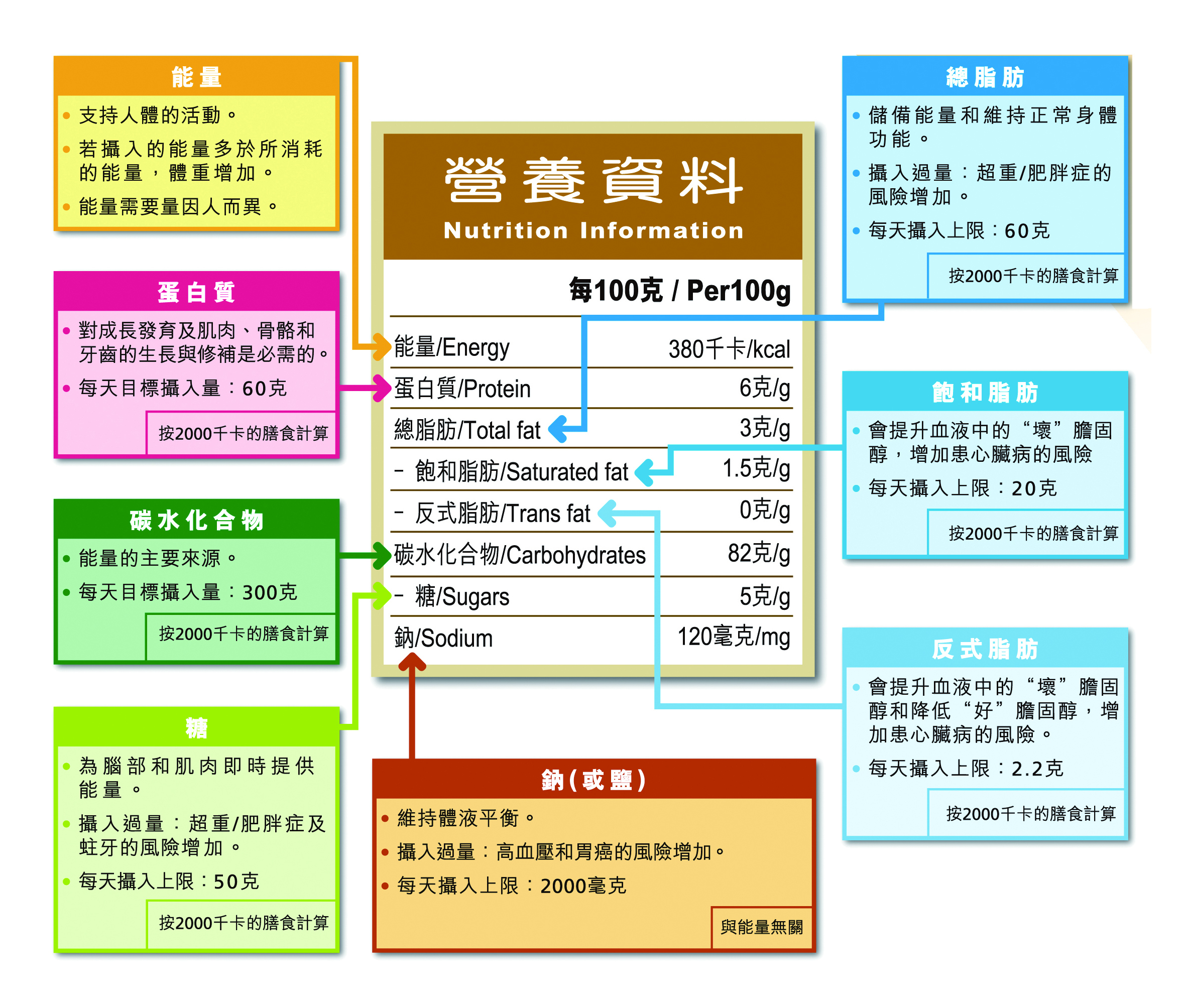
4th Issue of 2016
This Is How to Read a Nutrition Facts Label on the Keto Diet To go a little deeper, each of the three macronutrients (protein, carbohydrates, and fat) contains a certain amount of calories per gram, no matter what food they're in. For instance [ * ]: 1 gram of protein = 4 calories (4 units of energy) 1 gram of carbohydrate = 4 calories (4 units of energy) 1 gram of fat = 9 calories (9 units of energy)

Top 5 Fat Loss Lies
How To Read Nutrition Labels - Mayo Clinic Diet 3. Check the % Daily Value The % Daily Value (DV) tells you how much a nutrient in a serving of food contributes to a daily diet. 2,000 calories a day is used for general nutrition advice. Low is 5% or less. Aim for low in saturated fat, trans fat, cholesterol, sodium, and added sugars. High is 20% or more.
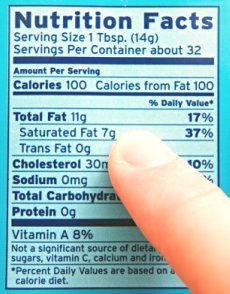
Food Labels|Ingredients|Preservatives|Processed Foods | The Holistic Kitchen
Reading nutrition labels - ualz.mtjlux.pl The nutrition facts label on packaged foods contains vital information about a food's nutritional value that can help people make healthy dietary choices. Recent changes to the nutrition facts label were made to present this information in a way that's easier to understand, and if you know what to look, you'll be able to maintain a healthy diet and take care of any.
Post a Comment for "39 reading fat on nutrition labels"